How to Future-Proof a New Build for EV Charging and Smart Home Systems

By CMA Electrics Ltd

Future-proofing starts with the decision, not the equipment
When you are planning a new-build electrical installation, it is easy to hear “future-proofing” and assume it means installing every possible cable and circuit now. That can create unnecessary work without guaranteeing that a later system will suit your needs. A better approach is to decide what you are likely to use, what the building can sensibly prepare for, and what should be chosen when you know the equipment.
For a new home in Derby, those decisions are easiest to make while the electrical layout is being planned. Once walls and finishes are in place, adding routes or changing positions can involve more disruption. That does not mean every future option needs to be installed immediately. It means understanding which choices are difficult to change later.
Start with the likely use
Think about how you expect to use the property, rather than selecting technology because it might be useful one day. For EV charging, consider whether a vehicle is likely to be parked on the drive or in a garage, and where a charging point would be practical. The cable route, parking arrangement and electrical demand all influence what preparation makes sense.
Smart home systems need a different kind of planning. “Smart” can mean lighting control, heating interfaces, connected devices or a wider automation system. These do not all need the same wiring or control equipment. Decide which functions matter to you first. A plan focused on lighting scenes may have different requirements from one that connects several systems across the home.
If you are unsure, write down the likely use cases and discuss them with your electrician. A clear description of what you want to control is more helpful than a broad request for a smart home.
Choose between installing now, preparing, or waiting
There are three sensible approaches, and the right one depends on how clear your plans are.
Install the system as part of the build
This is worth considering when you have chosen the equipment and know where it needs to go. The design can then account for the actual circuit, connection point and controls, rather than relying on assumptions. It can also make coordination with the rest of the electrical layout more straightforward.
The trade-off is commitment. If your requirements change, some of the chosen equipment or layout may no longer suit you. Before confirming, check that the intended locations and functions match how you expect to use the home.
Prepare the property for a later installation
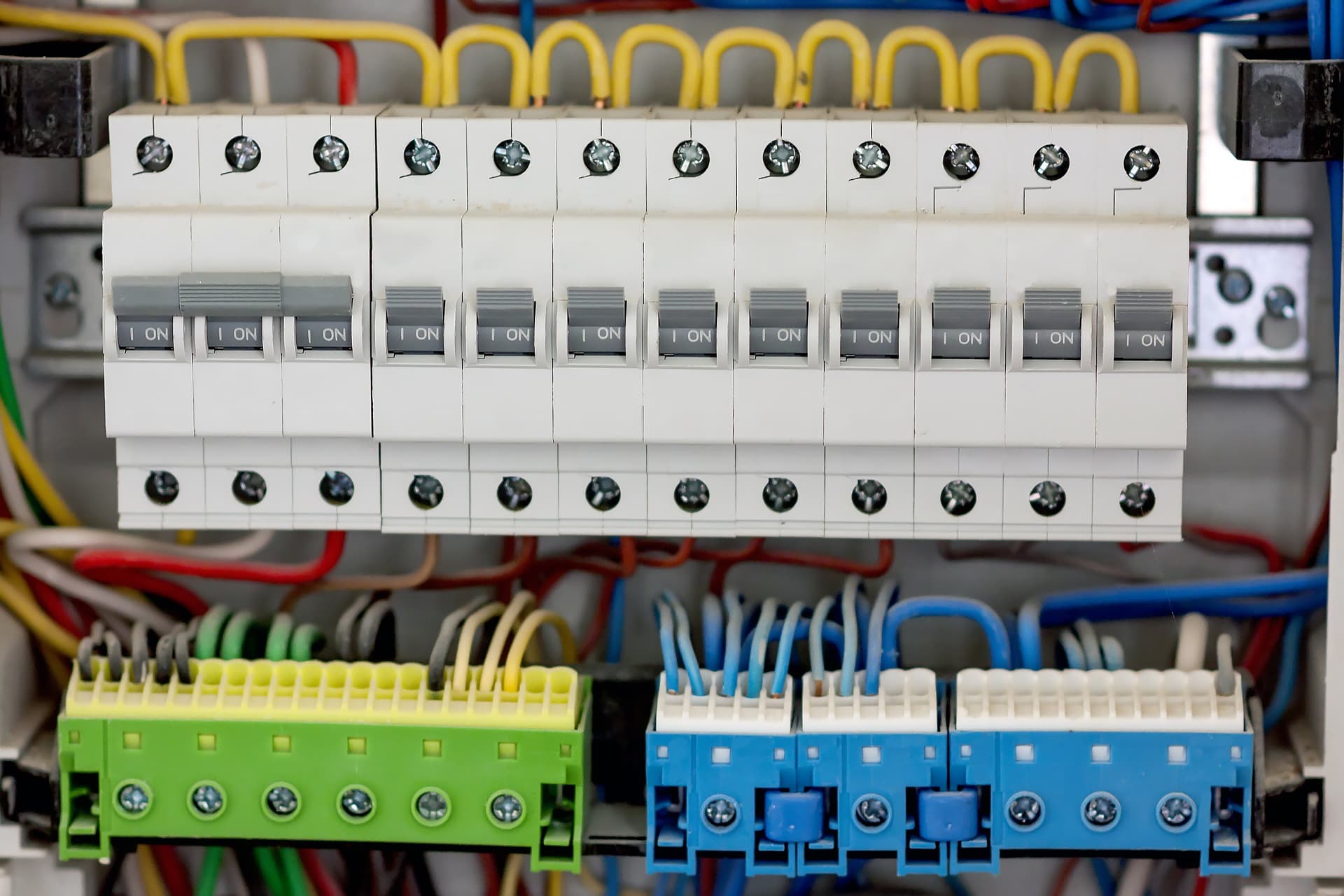
If the need is likely but the equipment is not chosen, discuss what can be provided now to make a later installation more manageable. That may involve planning a suitable electrical circuit, checking whether the fuse box (consumer unit) has room, or considering a route to the intended location. Which measures are appropriate depends on the design and the property, so there is no universal preparation package.
For EV charging, the future circuit needs to be considered alongside how much electricity the home may need at the same time. For smart systems, the useful preparation depends on the technology and the controls you expect to use. Leaving space alone does not settle either question. The electrician needs to understand the likely use and assess what the installation can support.
Leave the decision until you know more
Waiting can be reasonable when the need is speculative and the potential system is not defined. The important distinction is between delaying the equipment choice and ignoring the issue entirely. If a likely location or route is already clear, discuss it during the build so you understand the consequences of leaving it unprepared.
What to agree before the layout is final
Bring the discussion down to practical details: where the car is likely to be parked, which areas you want smart controls in, and what those controls should do. Share any equipment information you already have, but do not assume a particular product will work with every future system.
Ask how the proposed preparation relates to the electrical design, what it does and does not enable, and what might still need assessing when you choose the equipment. This avoids treating “future-ready” as a vague promise. It also gives you a clearer basis for deciding whether installing now, preparing, or waiting is the best fit.
Our New Build Electricals service is planned around the needs of the property and the build. If you are considering EV charging or smart controls in a new home in Derby, talk through the likely use before the layout is settled. Here at CMA Electrics Ltd, we can help you understand which decisions are worth making during the build and which can wait until your requirements are clearer.