Can Old Wiring Be Kept When Replacing a Consumer Unit?
By CMA Electrics Ltd
Can old wiring be kept when you replace the consumer unit?
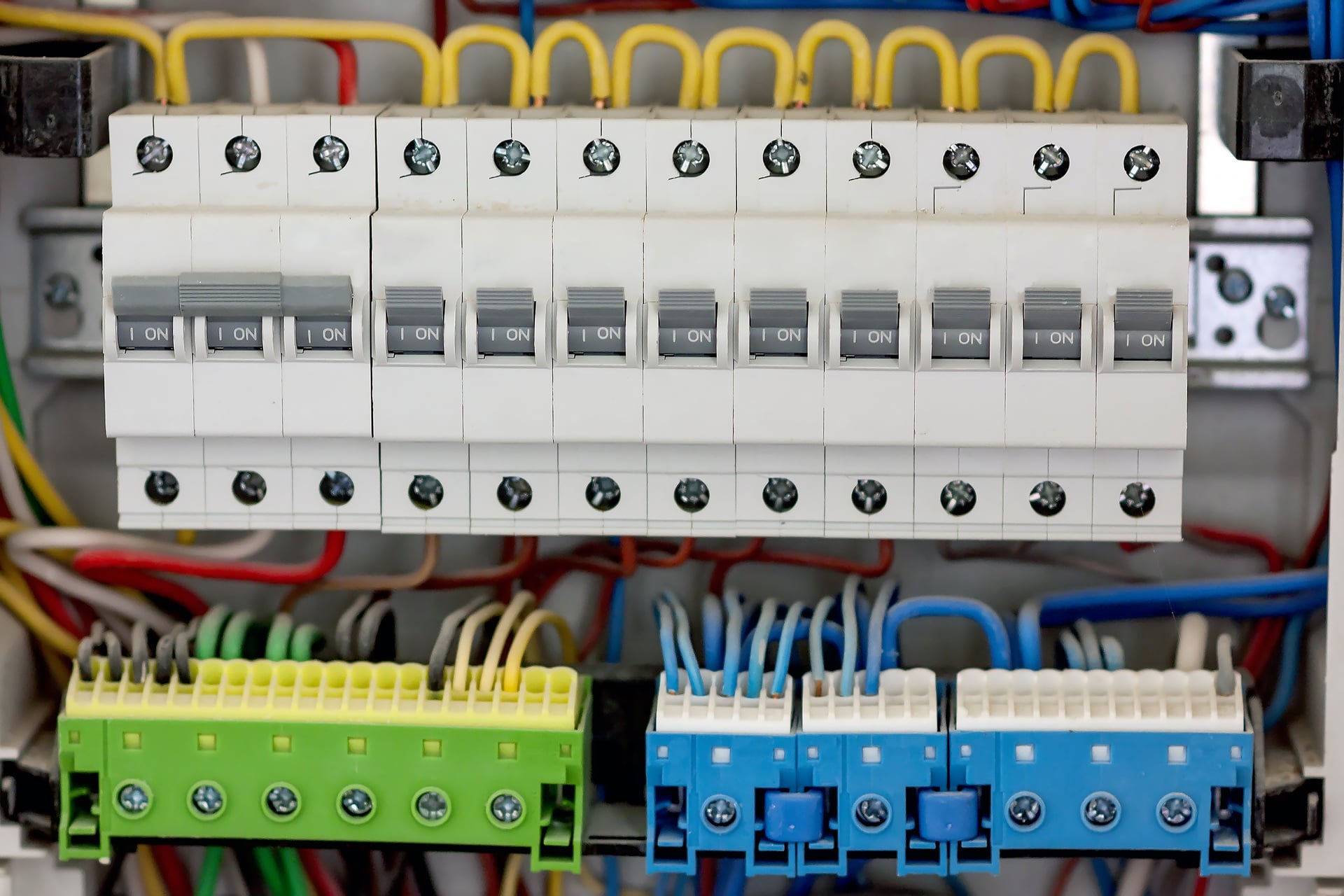
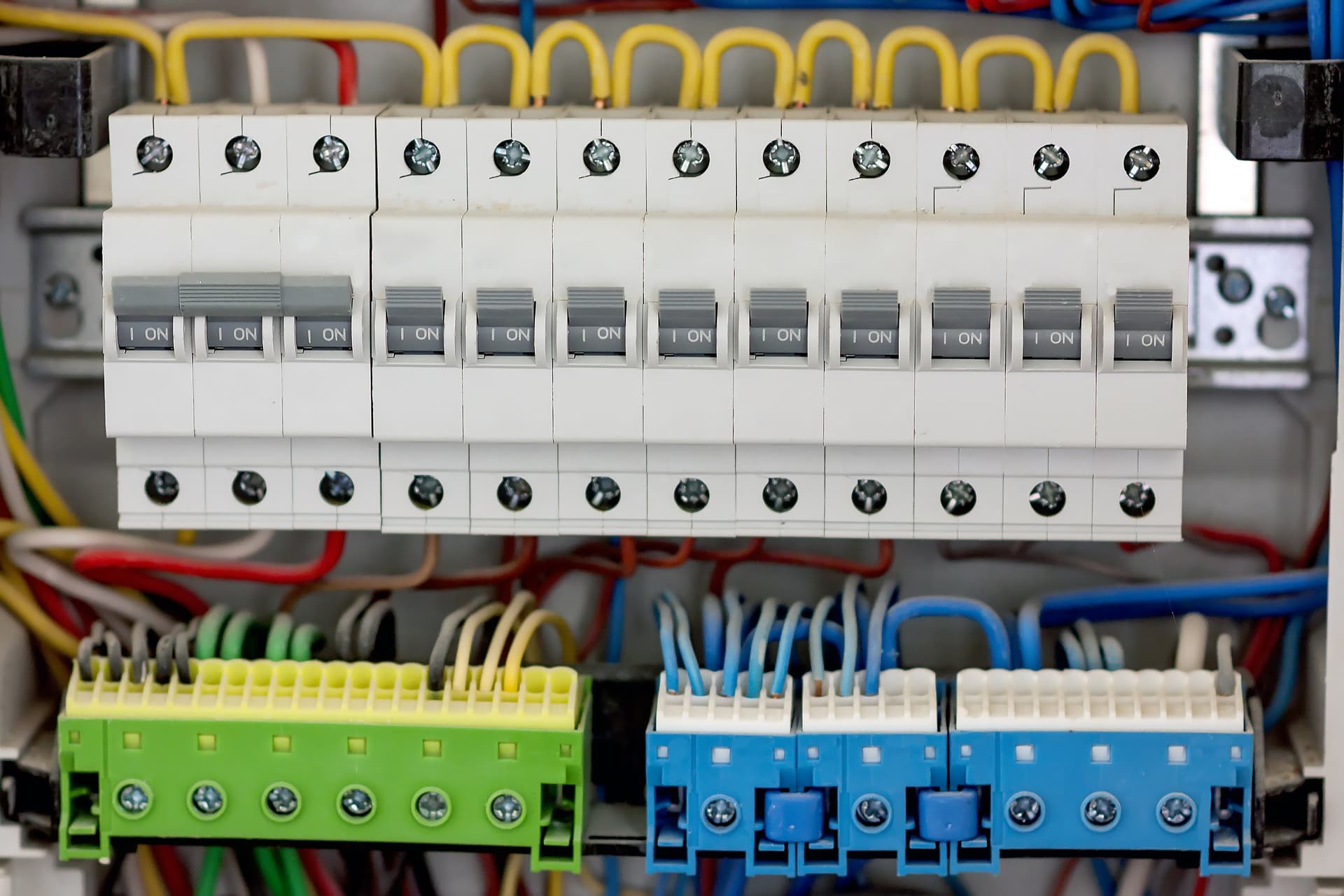
Replacing a consumer unit does not automatically mean replacing every cable in the property. In many homes, existing circuits can remain in place if inspection and testing show that the wiring is in suitable condition and compatible with the proposed protection.
The important point is that a new consumer unit does not repair faults elsewhere in the installation. It changes how the circuits are protected and gives us a clearer picture of how safely the rest of the system is operating. Whether your existing wiring can stay depends on the property, the installation history and what testing reveals.
Our Consumer Unit Upgrades service starts with that assessment rather than treating every property as though it needs the same solution.
Why the age of the property matters
A Derby terrace built several decades ago may have been rewired at some point, while a similar-looking house may still contain a mixture of original wiring and later alterations. The age of the building is useful background, but it is not enough to decide whether the cables can be retained.
Older installations often contain several generations of electrical work. A kitchen may have been upgraded, an extension added, or additional sockets installed without the rest of the property being altered. This can leave a consumer unit supplying circuits with different cable types, connection methods and signs of wear.
That mixture is not automatically unsafe. It does mean the installation needs to be understood as a whole. We look at what each circuit supplies, how it has been altered and whether the safety controls are suitable for the wiring that remains.
The condition of the cable is only part of the decision
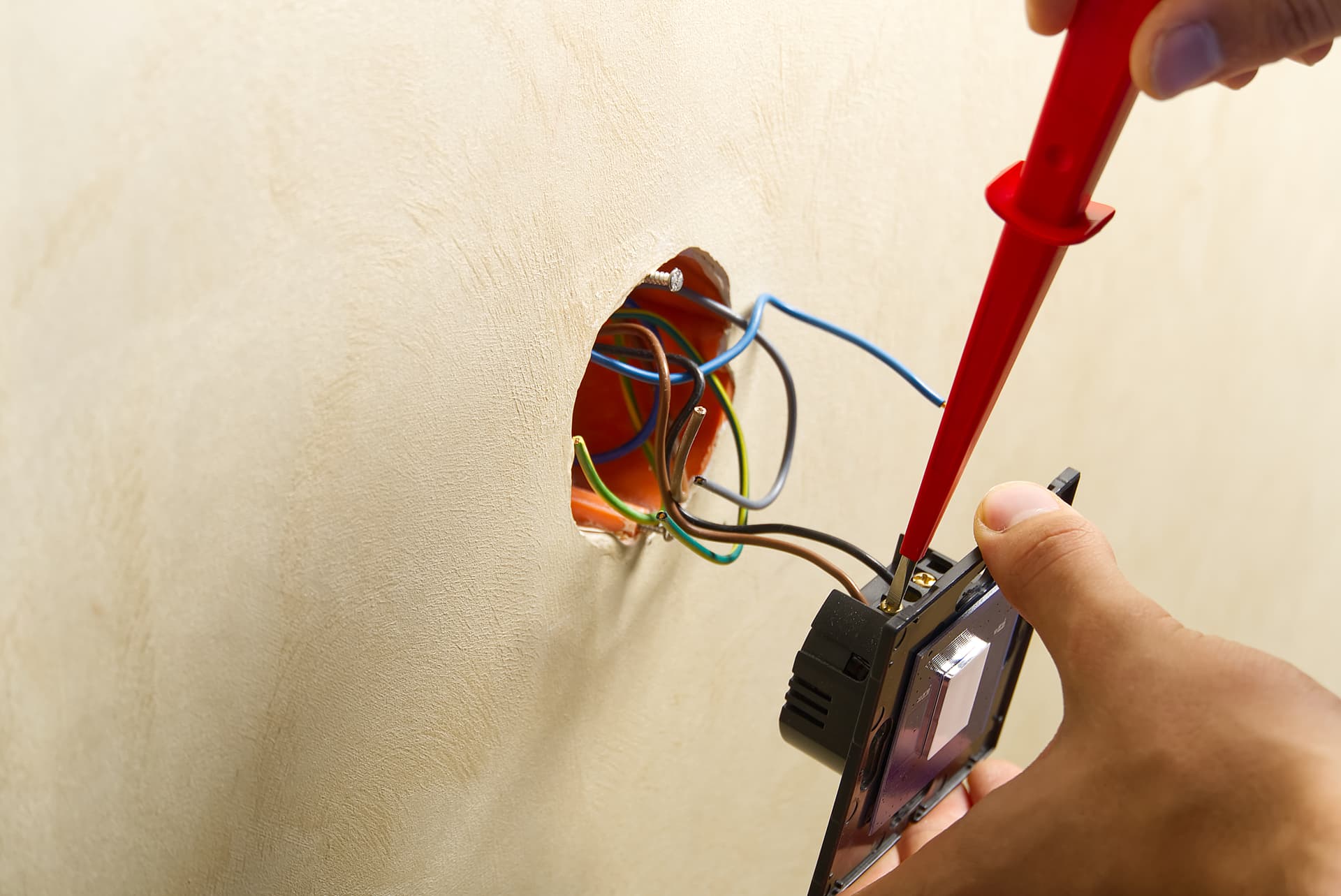
Visible damage is an obvious concern, but much of the relevant evidence is found at connection points. Loose or overheated terminations can create localised heat. Poorly enclosed joints, damaged insulation and signs of previous overheating can affect whether a circuit should remain in service.
We also consider how the wiring has been installed. Cables passing through walls, loft spaces, floors or outbuildings may have been exposed to movement, moisture, heat or accidental damage. A cable that looks acceptable at the consumer unit may still need further investigation elsewhere on the circuit.
This is why simply fitting a modern board and reconnecting every circuit without testing is the wrong approach. The new equipment may be sound, but it cannot compensate for a damaged cable, a weak connection or an unsuitable alteration elsewhere on the circuit.
Earthing and bonding can change the answer
The consumer unit relies on the installation's earthing system to operate safely when a fault occurs. We check the incoming earthing arrangement and the other important safety connections as part of assessing the installation.
If these arrangements are absent, damaged or unsuitable, the issue may need to be addressed before the upgrade can be completed safely. This is particularly important in properties where electrical work has been added in stages or where services have been modified since the original installation.
The result is not always a full rewire. It may be possible to carry out specific repair work, improve a particular connection or investigate one circuit further. The correct recommendation depends on what is present at your property, not on the appearance of the consumer unit alone.
How the way you use the property affects the assessment
A circuit that once supplied a small number of sockets may now serve a kitchen with several fixed appliances. A garage, garden office or other outbuilding may have been connected later. Electric heating, workshop equipment and other appliances that use more electricity can also change what is expected from an existing circuit.
We consider the circuits in relation to their present use. A cable may be in reasonable condition but still require attention if the circuit has been extended beyond what its original arrangement was designed to support. Equally, a lightly used circuit in a stable part of the property may not need the same level of remedial work.
This property-specific assessment helps avoid two costly mistakes: retaining wiring that should be repaired, or recommending unnecessary replacement simply because the installation is not new.
What you should expect from the decision
Before work begins, tell us about any previous electrical work, recurring faults, unexplained power loss or alterations such as extensions and converted rooms. Do not remove covers or attempt to inspect live equipment yourself. Information about the property's history is useful, but the condition of the installation must be established through professional inspection and testing.
We will explain which circuits can be retained, which need further investigation and whether any remedial work is necessary. If the existing wiring is suitable, the upgrade can focus on improving protection at the consumer unit. If defects are found, we will identify the affected area rather than treating the whole property as one problem.
At CMA Electrics Ltd, we carry out consumer unit upgrades across Derby and surrounding areas including Belper, Ilkeston and Long Eaton. As a NAPIT Registered business, we approach the work by testing what is actually in front of us, so you can make an informed decision about your home's electrical installation. Contact us to arrange an assessment and discuss the right scope for your property.