Can You Rewire Just Part of a House?
By CMA Electrics Ltd
A partial rewire is not simply a smaller full rewire
Rewiring one room can make sense, especially when a kitchen refurbishment, extension or change of use has created new electrical requirements. The important question is not how much cable can be replaced. It is whether the altered section will be safe, properly protected and compatible with the wiring that remains.
That distinction matters in Derby homes where installations may have been changed gradually. A property can contain newer circuits alongside older cable runs, replacement sockets connected to ageing wiring, or extensions added without the whole installation being reconsidered. Replacing the visible part alone may improve one room without resolving weaknesses elsewhere.
Our rewiring surveys focus on how the installation works as a complete system before we recommend a partial or full approach.
When a partial rewire may be suitable
A partial rewire is generally easier to justify when the problem is contained within identifiable circuits or an area that is being substantially altered. For example, a kitchen may need new circuits for fixed appliances, worktop sockets and lighting, while other parts of the property have wiring that is in suitable condition.
The key is to understand which circuits supply the area. A room does not always correspond to one circuit. Sockets may be supplied from a circuit serving several rooms, lighting may follow a different route, and cables may pass through areas that appear unrelated to the work. Changing the kitchen without tracing those connections can leave uncertainty about what has actually been renewed.
A partial approach is more credible when:
- The circuits serving the area can be identified and assessed.
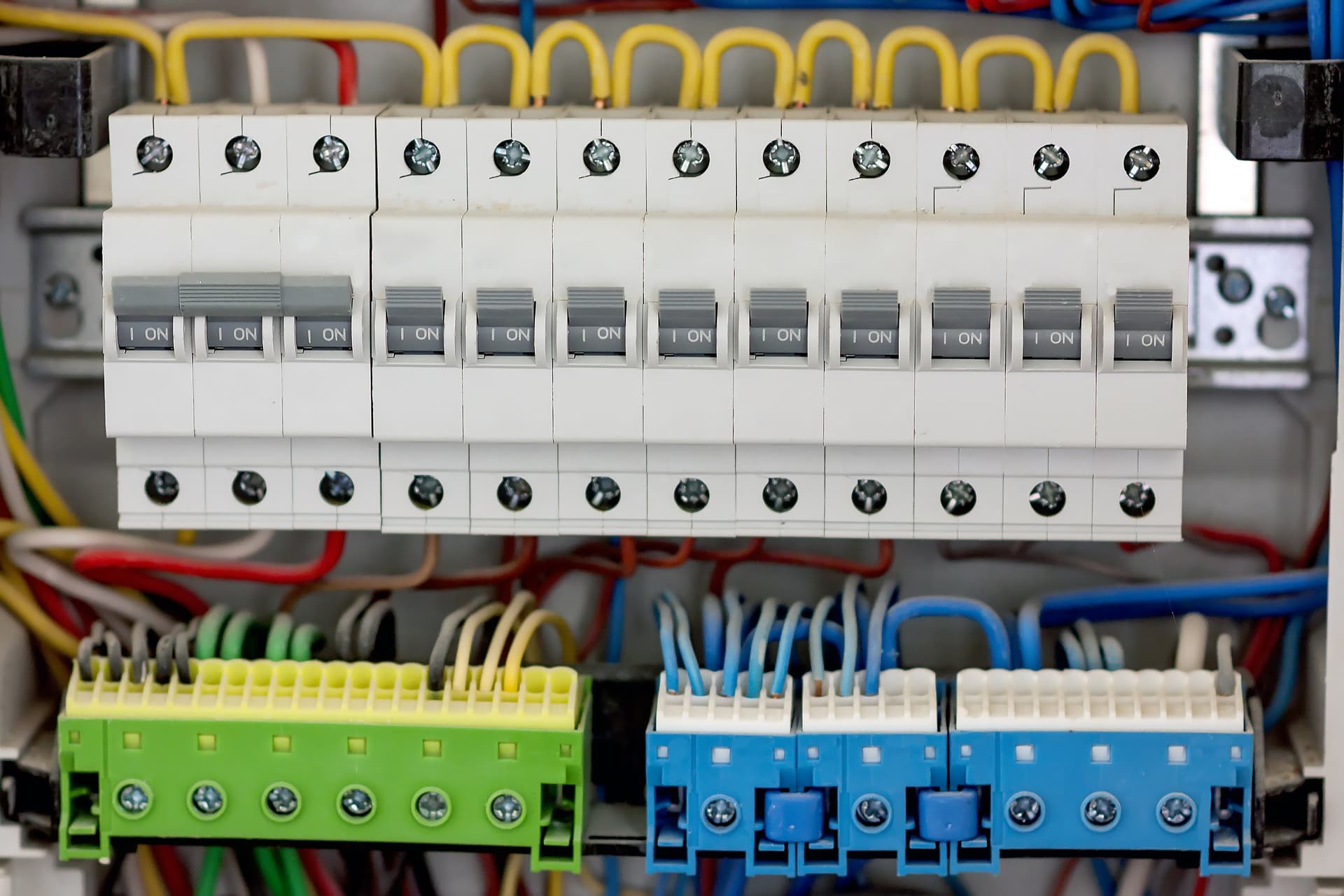
- The existing consumer unit (fuse box) and its safety protection are suitable for the planned changes.
- Cable routes can be accessed without damaging sections that were not included in the work.
- The remaining wiring has no signs of deterioration or unsafe alteration that would undermine the new installation.
- Future work has been considered, so the new section does not prevent sensible upgrades later.
These points cannot be confirmed reliably from the age of a socket or the appearance of a switch plate. They require inspection and testing by a suitably qualified electrician.
When a full rewire becomes the more sensible option
A full rewire is more likely to be appropriate when the existing installation is difficult to divide into safe, clearly defined sections. This can happen where circuits have been extended repeatedly, cable routes are unknown, or different parts of the property have been altered without consistent documentation.
The construction of the property also affects the decision. In a Victorian terrace, cables may run beneath floors, through wall voids or around later alterations. In a flat, access can be restricted by solid construction or shared building arrangements. A larger house may have several additions and outbuildings, each changing the way the installation is used. The correct scope depends on what is actually present, not simply on the property’s age.
A full rewire may also avoid leaving a patchwork installation when the property is already undergoing major renovation. If walls, ceilings and floors are being opened for other work, limiting the electrical work to one room could mean disturbing the same areas again later. That is not an argument for replacing wiring unnecessarily. It is a reason to compare the practical consequences of each option before work begins.
What we need to establish before recommending either option
We look at the installation rather than making a decision from one symptom. That includes identifying the circuits, checking accessible cable condition, considering how the property is used and understanding any planned changes such as a new kitchen, lighting scheme, outbuilding or electric vehicle charger.
We also need to know what must remain live during the work. A partial rewire can be attractive where only one area is being refurbished, but the plan still has to account for isolation, testing and the connection between new and existing sections. If the connection between the new and existing wiring is poorly understood, the apparent convenience of a smaller job can create more uncertainty, not less.
Ask for the proposed scope in writing. It should make clear which rooms, circuits, switches and sockets are included, what remains untouched and whether later alterations could mean opening up the property again. If the recommendation changes after floors or walls are opened, the reason should be explained rather than treated as an unexplained increase in scope.
Make the decision from evidence, not guesswork
The right choice is the smallest safe and properly understood scope, not automatically the cheapest or largest one. A contained, testable installation may support a partial rewire. A heavily altered or poorly understood installation may justify renewing more of the property so that the result is coherent and easier to maintain.
Here at CMA Electrics Ltd, we carry out rewiring work across Derby and approach each property on its actual condition, layout and intended use. Contact us to arrange an assessment and request a clear quotation for the work your installation genuinely needs.